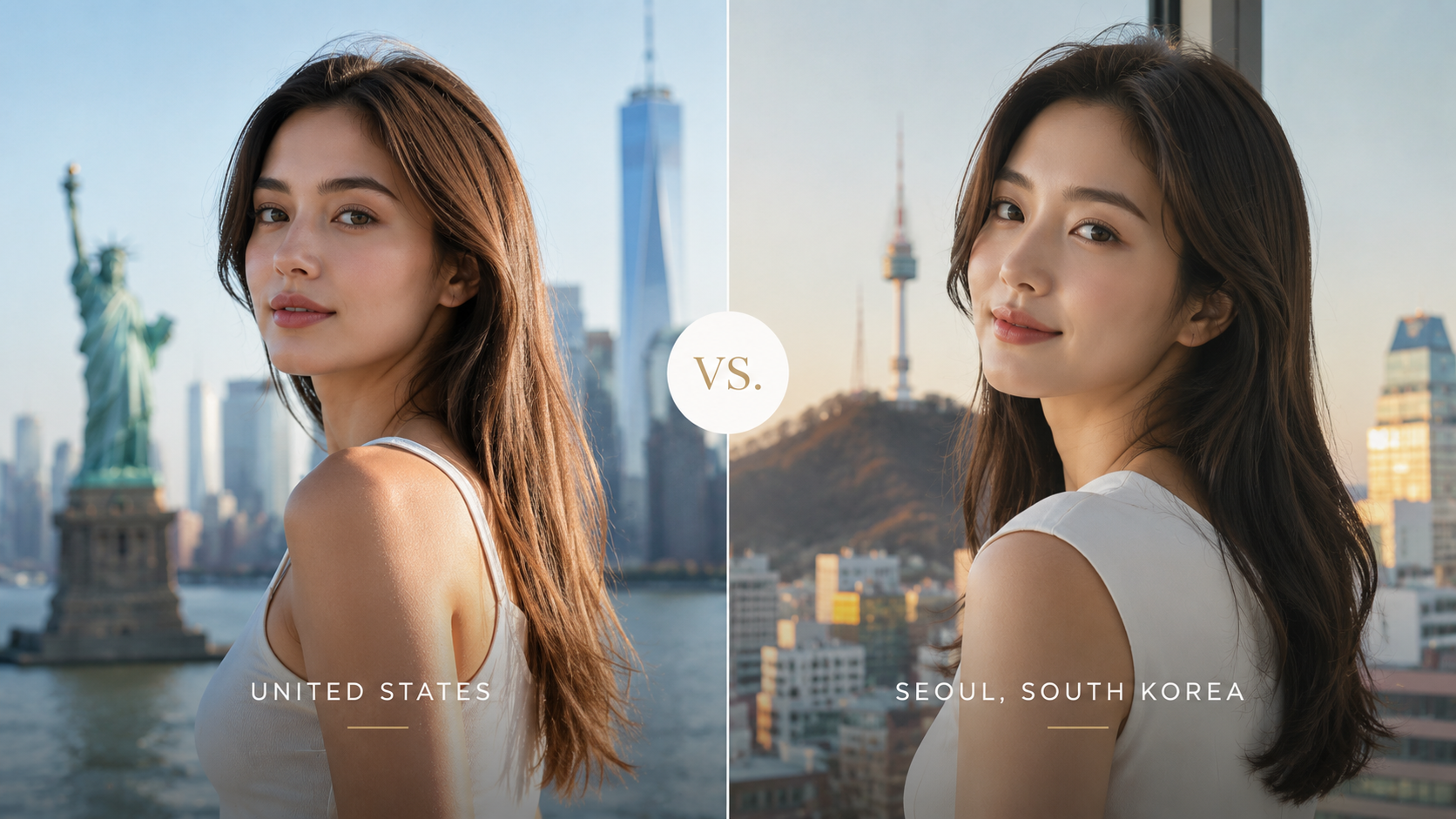
If you've spent any time researching cosmetic procedures, you've probably run into the same question thousands of international patients ask every year: should you get it done at home in the US, or make the trip to Seoul? The honest answer is that it depends on the procedure, your priorities, and how you weigh cost against convenience. This guide breaks down how the two countries actually compare across the factors that matter most.
The Price Gap Is Real
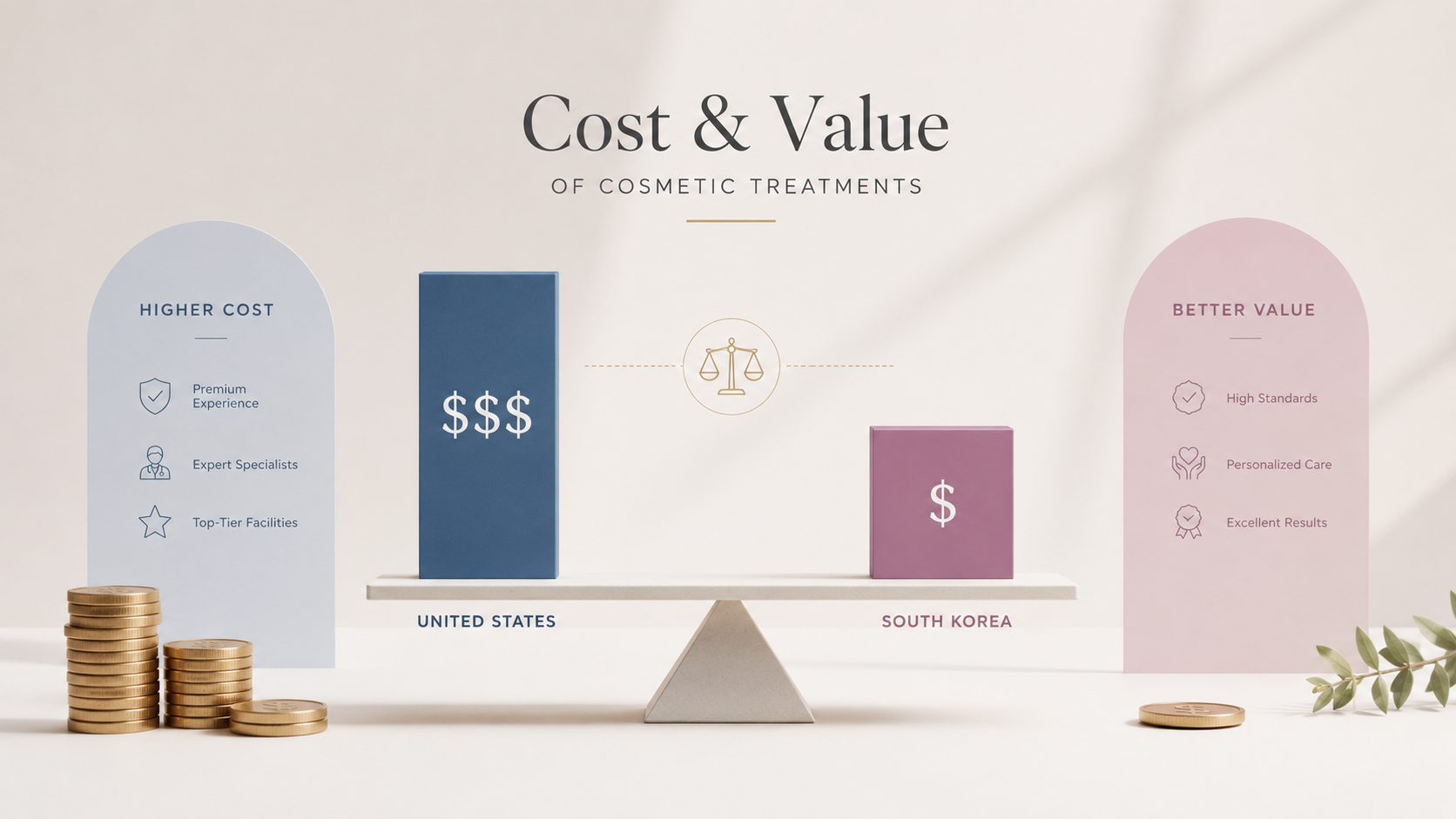
Let's start with the number everyone wants to see. Across almost every category, Korea costs meaningfully less than the US — and not by a small margin.
| Procedure | USA (avg.) | Korea (avg.) | Typical Savings |
|---|
| Rhinoplasty | $12,000–18,000 | $5,000–8,500 | 40–60% |
| Facelift | $20,000+ | $8,000–12,000 | ~50% |
| Double eyelid surgery | $4,000–6,000 | $1,100–1,800 | ~65% |
| Botox (per area) | $300+ | $40–190 | 50–70% |
| Filler (1cc) | $600–1,000+ | $190–300 | ~50% |
| Laser session | $300–800 | $150–400 | 30–50% |
The savings are large enough that, for surgery especially, many patients still come out ahead even after factoring in flights and two weeks of accommodation in Seoul.
💡 2026 update: As of January 1, 2026, Korea ended the VAT refund for cosmetic procedures. Older blogs still mention a "7–10% airport tax refund" — that no longer applies to aesthetic treatments. Budget for the full price.
Why Is Korea Cheaper?
A lower price tag makes people nervous. It shouldn't — at least not on its own. The gap comes down to market economics, not corner-cutting.
In the US, you're billed separately for the surgeon, the anesthesiologist, the facility, and malpractice insurance. In Korea, the sheer volume of procedures spreads those overheads thin, and most clinics that work with international patients bundle everything into one flat, all-inclusive price. Seoul's Gangnam district alone has hundreds of aesthetic clinics competing for the same patients, which pushes prices down and quality up.
Expertise: Volume Changes Everything
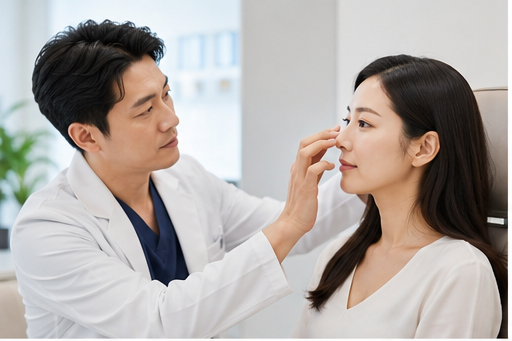
Here's the part that surprises people. The best Korean surgeons often perform far more of a given procedure than their American counterparts. A top Seoul rhinoplasty specialist may do hundreds — sometimes over a thousand — nose surgeries a year. That kind of repetition builds a very specific, very deep skill set.
There's also an aesthetic difference. Korean surgeons are trained in a philosophy that prioritizes natural, harmonious results that preserve your features rather than dramatically reshaping them. For many patients — especially those who want a refined rather than an "obviously done" look — that approach aligns better with their goals.
Korea vs. USA: Plastic Surgery & Skincare Compared (2026)
Technology and Safety
Korea has quietly built one of the most technology-forward aesthetic industries in the world.
- ✅ 3D CT imaging is standard at top clinics for mapping bone and nerve structure before nose and jaw surgery — millimeter-level planning rather than relying on feel.
- ✅ Operating-room CCTV has been law since 2023 for surgeries under general anesthesia, specifically to prevent the "shadow doctor" problem (where a trainee operates while the star surgeon only did the consult).
- ✅ High procedure volume means the newest devices and techniques are adopted quickly and refined constantly.
That said, one honest caveat: the US industry is more heavily regulated overall. In Korea, patient protection relies more on your due diligence — choosing an accredited clinic, verifying the surgeon's credentials, and making sure the doctor who consults you is the one who operates.
Service and Environment
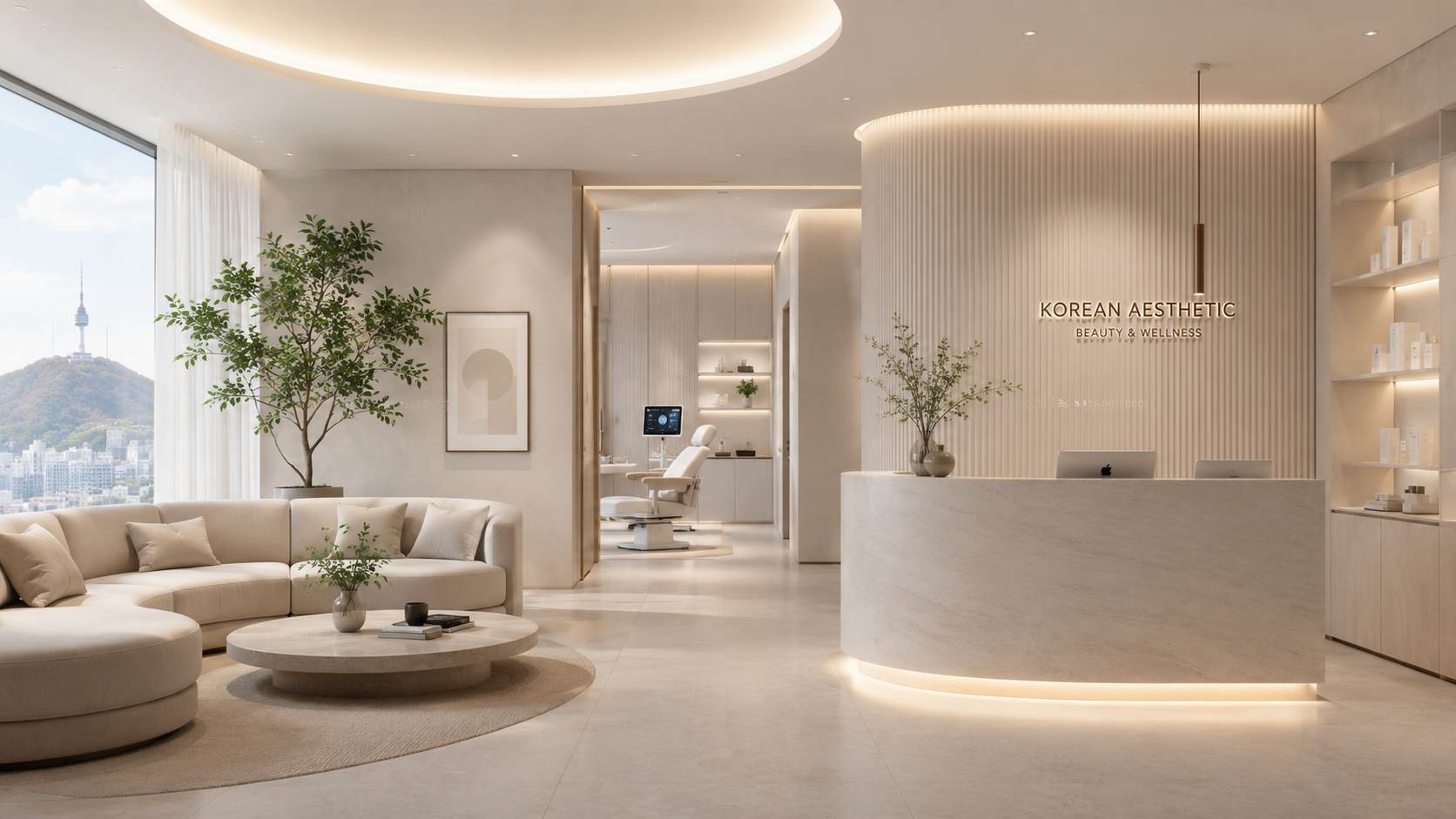
This is where the difference is almost cultural. American cosmetic clinics are excellent but often clinical and transactional. Korean clinics — particularly the ones serving international patients — treat the experience as part of the result.
Expect dedicated English-speaking coordinators, unhurried consultations, beautifully designed interiors that feel more like a hotel than a hospital, and recovery care built into the package. Many medical-tourism stays even include nursing check-ins and translation support. It's a level of hospitality that patients consistently describe as a different world from a rushed appointment back home.
The Skincare Side
It's not just surgery. Korea is the global capital of preventive dermatology, and this is where the philosophies really diverge.
The Western approach tends to be corrective — wait until a problem appears, then treat it aggressively. The Korean approach treats skincare like dental cleaning: routine, gentle, and continuous. Laser toning, skin boosters (Rejuran, exosomes, HA), light peels, and "skin Botox" are used to maintain skin quality and delay aging rather than only fixing damage after the fact.
Combine that philosophy with prices that run 30–50% below US clinics, and it's easy to see why treatments like Ultherapy, Thermage, and combination laser packages draw so many international patients to Seoul.
Korea vs. USA: Plastic Surgery & Skincare Compared (2026)
Accessibility: The Honest Trade-Off
This is the one area where the US wins for Americans — you don't have to fly anywhere. Korea requires a 14-hour flight, a time-zone adjustment, and roughly two weeks on the ground for surgical recovery.
But the logistics have gotten dramatically easier. Korea's 2026 medical visa expansion simplified long-stay medical visits, airlines have added routes to Incheon, and for most US citizens a K-ETA covers a 90-day stay. Clinics serving foreigners have English coordinators who handle scheduling, translation, and aftercare start to finish.
| Factor | USA | Korea |
|---|
| Travel required | None | ~14-hr flight |
| Cost | Highest | 30–65% less |
| Surgeon volume | Moderate | Very high |
| Service & environment | Clinical | Hospitality-focused |
| Regulation | Stricter | Relies on clinic choice |
| Aftercare abroad | Local | Package-based + remote follow-up |
The Aftercare Question
The one genuine concern with traveling for surgery is what happens when you go home. A complication or a routine follow-up is simpler when your surgeon is 20 minutes away rather than across the Pacific.
Reputable Seoul clinics have adapted. Good ones now offer structured remote follow-up — video check-ins, English messaging support, and coordination with your local doctor if needed. The key is choosing a clinic that treats post-return care as part of the service, not an afterthought. Ask about it before you book.
So, Which Should You Choose?
If your priority is zero travel and you value the tightest regulatory safety net, staying in the US makes sense. If you want world-class expertise, natural-looking results, hospitality-grade service, and savings large enough to justify the flight, Korea is a genuinely logical choice — not just a cheaper one.
For many patients, the deciding factor isn't price at all. It's that Seoul's surgeons do this specific procedure more often, with a more natural aesthetic, in an environment designed entirely around the patient. The savings are simply what make the decision easy.
Browse verified clinics on Limeglow to compare specialties, see real patient reviews, and reach out directly on WhatsApp to ask questions or arrange a consultation.
L
Limeglow Editorial Team
Korea Medical Beauty Experts
The Limeglow editorial team consists of medical tourism experts and beauty specialists based in Seoul, South Korea. We provide verified, up-to-date information on Korean aesthetic medicine to help international patients make informed decisions.
Ready to Get Started?
Contact our partner clinics directly via WhatsApp for a free consultation.
💬 Contact via WhatsApp