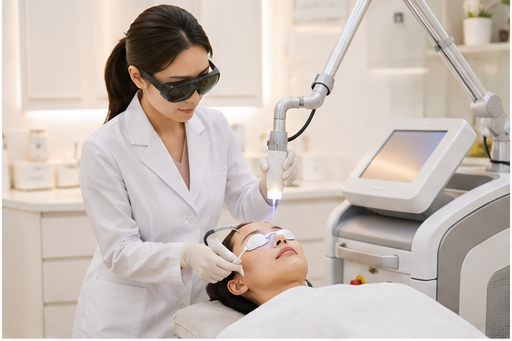
Korea has established itself as the world's leading destination for rhinoplasty, attracting thousands of international patients every year. The combination of highly skilled surgeons, advanced techniques, and a deep understanding of Asian facial aesthetics makes Seoul — particularly the Gangnam district — the go-to place for nose surgery that looks natural, not operated.
Why Korea Leads the World in Rhinoplasty
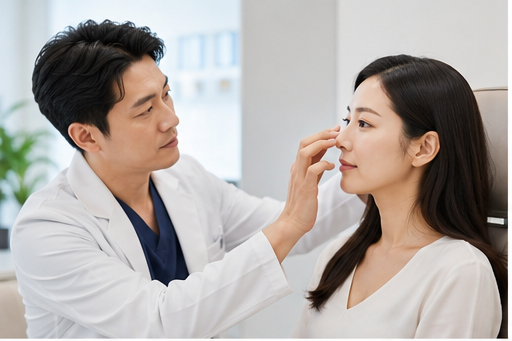
Korean plastic surgeons design every procedure around the individual — factoring in facial proportions, skin thickness, cartilage strength, and the patient's long-term aesthetic goals. Unlike a one-size-fits-all approach, the best Korean surgeons spend significant consultation time understanding what you want before recommending anything. Clinics in Gangnam have decades of experience with international patients and offer full consultation support in English, Chinese, and Japanese.
Types of Rhinoplasty in Korea
Not all rhinoplasty procedures are the same. Korean clinics offer a wide range of techniques depending on what you want to achieve — from subtle refinements to more structural changes.
| Procedure Type | Best For |
|---|
| Tip Plasty | Better definition and projection of the nose tip |
| Bridge Augmentation | Adding height using implants or cartilage |
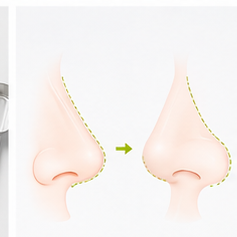
| Reduction Rhinoplasty | Reducing overall nose size for facial balance |
| Revision Rhinoplasty | Correcting unsatisfactory results from previous surgery |
| Septum Correction | Improving both function and aesthetics simultaneously |
How to Choose the Right Clinic
Choosing the right clinic is the single most important decision you will make. Look for board-certified plastic surgeons with a strong rhinoplasty portfolio, English-speaking coordinators, and a consultation process that feels thorough rather than rushed. Book at least 2–3 months in advance — top clinics fill up quickly, particularly during the popular spring and fall seasons.
- ✅ Stop smoking at least 4 weeks before surgery
- ✅ Avoid blood thinners (aspirin, fish oil) 2 weeks before
- ✅ Prepare a companion for surgery day and the first 48 hours
- ✅ Arrange accommodation in Gangnam for easy clinic access
⚠️ Important: Plan to stay in Korea for a minimum of 10–14 days after surgery. You will need to attend follow-up appointments for splint removal before flying home. Flying too soon after rhinoplasty can increase swelling and complicate recovery.
Recovery: What to Expect Week by Week
Most patients are surprised by how manageable rhinoplasty recovery is when they are well-prepared. The first three days involve the most swelling and bruising, after which improvement becomes steady and visible week by week.
| Period | What to Expect |
|---|
| Days 1–3 | Peak swelling and bruising, nasal splint worn |
| Day 7–10 | Splint removed, visible improvement begins |
| Week 2 | Return to light daily activities |
| Month 3–6 | Swelling reduces, shape refines gradually |
| Month 12 | Final results fully visible |
Aftercare and Long-Term Results
Patience is essential with rhinoplasty. The tip in particular takes the longest to settle — many patients see their true final result only after six to twelve months. Korean clinics provide detailed recovery guides and WhatsApp support throughout this entire period. Avoid strenuous exercise for 4 weeks, protect your nose from sun exposure, and sleep with your head elevated during the first two weeks to minimize swelling.