You've seen the results, compared the prices, and you're seriously considering it: getting your procedure done in Seoul. But then the doubts creep in. How do I even book? What about the language? Do I need a visa? Where do I stay? For most first-timers, it's not the procedure that feels scary — it's not knowing how the whole thing works.
Here's the good news: it's far simpler than you think. Korea has spent years building an industry designed specifically around international patients, and the path from "thinking about it" to "sitting in the consultation chair" comes down to a handful of clear steps. Here's exactly how it goes.
Step 1: Choose Your Clinic and Reach Out
Everything starts here — and it's easier than booking a hotel. Instead of gambling on an Instagram ad or a clinic you can't verify, browse a curated platform where every clinic is vetted, reviewed, and set up for international patients.
Once you find a clinic that fits your goals, you simply message them directly — most communicate over WhatsApp. Send photos of your concern areas, describe what you're hoping for, and ask about pricing. A good clinic responds with a realistic plan and an honest quote before you ever book a flight.
💡 This is the single most important step. Getting a clear consultation and quote up front removes almost all the uncertainty. You'll know your price, your plan, and your timeline before committing to anything.
Step 2: Sort Out Your Visa (Usually Just a K-ETA)
This is where most people expect a headache — and there usually isn't one. For travelers from the US, UK, EU, Canada, Australia, and many other countries, you can enter Korea visa-free with a K-ETA (Korea Electronic Travel Authorization) for stays up to 90 days. That's far more than enough for any cosmetic procedure and recovery.
You only need a dedicated medical visa (C-3-3) if your nationality requires a visa to enter Korea, or if you're staying longer than 90 days for a complex, multi-stage treatment.
- ✅ Apply for your K-ETA 4–6 weeks before departure — check the official K-ETA website for your nationality.
- ✅ Use consistent name spelling across your passport, flights, and clinic documents.
- ✅ If you need a medical visa, your clinic can issue the invitation letter required for the application.
Step 3: Plan How Long to Stay
Your length of stay depends entirely on your procedure. Here's a realistic guide.
| Procedure type | Recommended stay |
|---|
| Non-surgical (Botox, filler, lasers) | 3–7 days |
| Double eyelid / minor surgery | 7–10 days |
| Rhinoplasty / facial contouring | 10–14 days |
| Facelift / major combined surgery | 14–21 days |
The reason for the longer stays isn't the surgery itself — it's allowing time for the initial healing, suture removal, and one or two post-op check-ups before you fly home. Don't book a tight schedule; give your body room to recover comfortably.
Step 4: Book Flights and Accommodation
Once your clinic confirms your dates, book your flight into Incheon International Airport (ICN). For accommodation, stay near your clinic — most international patients base themselves in Gangnam or Apgujeong, where the majority of top clinics are clustered.
Staying close matters more than you'd think: follow-up visits, suture removal, and swelling checks all happen in the days after your procedure, and you won't want a long commute while recovering. Many clinics also offer airport pickup — ask when you book.
Step 5: Arrive, Consult, and Get Your Procedure
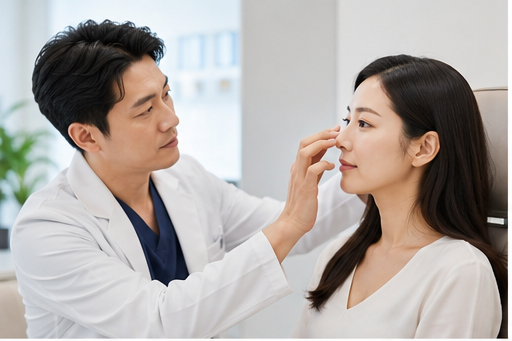
When you land, Incheon has dedicated medical-tourism support desks, and most clinics arrange transport or clear directions. Your first appointment is an in-person consultation to finalize the plan the coordinator discussed with you online.
Communication is smoother than you fear. Most clinics have dedicated English-speaking coordinators who guide you through everything — the surgeon focuses on the medicine, the coordinator handles the conversation. For extra peace of mind, write down your goals in advance and bring reference photos.
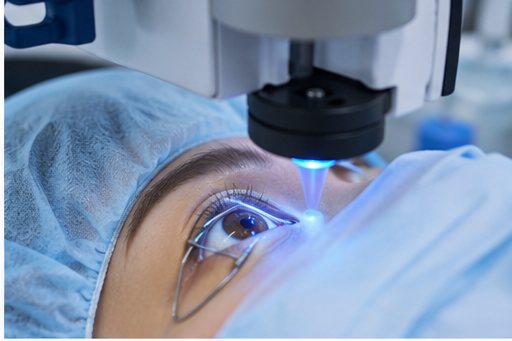
Then comes the procedure itself. Most take between 30 minutes and a few hours. Afterward, you'll get detailed aftercare instructions and your follow-up schedule.
Step 6: Recover — and Enjoy Seoul
Here's the part nobody tells you: your recovery days can be some of the best of the trip. Once your surgeon clears light activity, Seoul is the perfect city to heal in.
Gentle, low-effort things fill the days beautifully — quiet cafés in Seongsu, palace grounds at Gyeongbokgung, skincare and mask shopping in Myeongdong, or riverside walks along the Han. You're resting anyway; you might as well rest somewhere extraordinary. Many patients say the "recovery vacation" is what turns a medical trip into a genuinely memorable one.
Just keep it light — follow your aftercare rules, avoid strenuous activity and salty food (which worsens swelling), and stay hydrated.
A Few Honest Things to Know
- VAT refund has ended. As of January 1, 2026, the 7–10% tax refund on cosmetic procedures no longer applies. The price your clinic quotes is your final price — budget accordingly.
- Aftercare after you fly home is the one real consideration. Choose a clinic that offers structured remote follow-up (video check-ins, English messaging support) so you're not left alone once you're back.
- Download Papago and Naver Maps before you arrive — they'll handle translation and navigation for daily life outside the clinic.
You're More Ready Than You Think
When you break it down, the whole journey is just six steps: choose a clinic, sort your K-ETA, plan your stay, book travel, get treated, and recover. The industry is built to carry you through every one of them.
The hardest part is simply deciding to start — and that first step is the easiest of all. Browse verified clinics on Limeglow, compare specialties and real patient reviews, and message a clinic directly on WhatsApp to ask your questions. No commitment, no pressure — just a clear answer about what your treatment would look like. Your Seoul beauty trip can begin with a single message.